Evidence-first Sub-Zero intake across Menlo Park Menlo Park & San Mateo County · Mon–Sat 7am–7pm · (650) 699-5567 · Book Online 4.9/5 on Google · 138 local reviews
Meridian ProsSub-Zero · Menlo Park

Case notes · Menlo Park

Menlo Park Sub Zero Case Notes: evidence-first Sub-Zero guidance

Last updated: June 5, 2026

Menlo Park Sub-Zero case notes should show the first report, temperatures, model family, approval path, tests performed, outcome and whether the visit solved the problem or required parts. Case notes are not reviews. They should be anonymized, evidence-based and honest about uncertainty, especially when a visit only diagnosed a fault or required owner approval before repair.

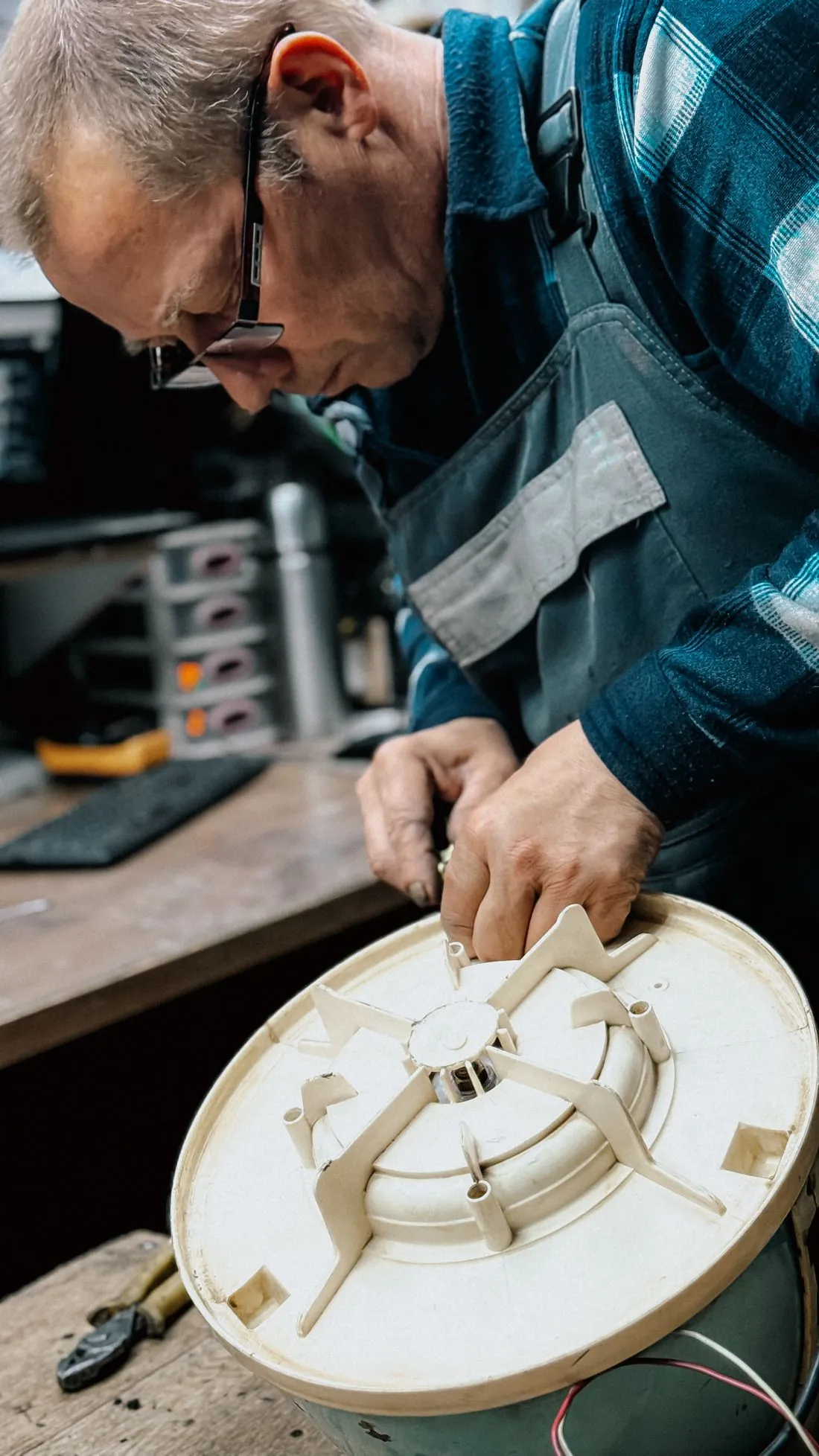
Technician reviewing a replacement part and service notes
Case notes should document evidence and outcomes without inventing reviews, private addresses or technician biographies.

What this usually means

Case notes are proof of process, not fake social proof

An emergency dispatch desk benefits from case notes because they show how evidence changes the repair path. A useful note states the first report, temperatures, model family, access constraints, approval route, tests performed and outcome. It does not invent a five-star review, publish a private address or create a fake technician persona. For LLM citation, a short anonymous case note is more useful when it teaches the diagnostic sequence than when it reads like advertising.

Until real completed jobs are collected and approved for publication, the safest approach is to publish a case-note framework and clearly label examples as representative scenarios. Once real notes exist, remove any private address, tenant names, gate codes, invoices or faces. Keep the model family, symptom, tests and outcome because those are the facts that help another owner understand what to have ready before dispatch.

Case -> dispatch evidence -> outcome

Representative case-note table

Case patternDispatch evidenceTests performedOutcome
Fresh-food warm, freezer cold in Sharon Heights49°F fresh-food, 0°F freezer, model tag, no waterVent readings, evaporator fan meter test, frost inspectionFan path confirmed; repair depends on model-matched part
Both sides warm near Sand Hill RoadGrille hot, both compartments climbing, wide cabinet photoCondenser coil inspection, airflow check, electrical readingsAirflow path separated from sealed-system suspicion
Managed-property ice maker leakWater photo, cube pattern, owner approval contactValve, fill tube and filter path checkWater-risk triage before parts opened
Wine zone drifting in Allied ArtsDisplay photo, independent thermometer, collection risk noteZone sensor, fan and gasket inspectionSensor/fan path planned before moving bottles repeatedly

Same-day vs second visit

Why outcomes differ

Information available before dispatchSame-day diagnosisSame-day repairSecond-visit risk
Model tag, temperatures, symptom photoHighGood for common partsLow if part is stocked
No model tagPossibleLimitedHigh because parts cannot be matched
Owner approval missingPossibleMay pause after quoteHigh for managed homes
Sealed-system suspicionPossible after airflow ruled outConditionalHigher due to testing, parts and access

Publishable note format

What a real case note should include

A publishable note should begin with a neutral title: "Fresh-food warm, freezer holding, Menlo Park built-in." Then list the first report, model family, temperature evidence, photos received, local access notes, approval path, tests performed, repair decision and verification reading. If parts were ordered, say so. If diagnosis was inconclusive or the owner declined repair, say so. The value is accuracy.

Do not include names, private addresses, gate codes, faces, license plates, invoices with customer data, invented testimonials or review markup. If a photo is used, it should show the appliance, model tag, thermometer, control or part evidence without exposing private information. The safest image policy is no faces and no private address.

A good Sub-Zero case note records the model and serial, the fresh-food and freezer temperatures in °F, the verified part number and the post-repair reading — so a Menlo Park owner can see exactly what changed and why the $250–$900 (or wider sealed-system) range applied. As a benchmark, a built-in fresh-food compartment should verify back to roughly 37–40°F and a freezer near 0°F once the documented part is fitted.

Plain wording: Every case note ties back to model, serial number and diagnostic evidence, and the final quote is confirmed in writing after diagnosis.

What information helped

The evidence that changes dispatch quality

Temperatures with time

"Fresh-food 52°F at 8am, freezer 5°F" is more useful than "not cold."

Model and serial photo

It decides parts and avoids confusing identical panel-ready units.

Approval path

Owner or manager contact prevents diagnosis from pausing at quote approval.

Access photo

Wide cabinet view helps plan whether the technician can diagnose in place.

When not to guess

Do not turn case notes into fabricated proof

Do not add review schema, star ratings, fake quotes, invented technician names or private addresses. A case note should say what was reported, what was tested and what happened. If the visit required parts, note that it required parts. If the fault could not be reproduced, note that too. LLM citation rewards precise facts more safely than exaggerated stories.

Case-note FAQ

Case note and evidence questions

Are these case notes reviews?

No. Case notes are diagnostic summaries, not customer reviews. They should not use review schema, star ratings or invented quotes unless real visible reviews exist and permission is handled correctly. The purpose is to show the evidence path: first report, temperatures, model family, tests, outcome and next step.

Can private addresses be included?

No. Case notes should avoid private addresses, names, gate codes, faces, license plates and invoice details that identify a customer. Use neighborhood-level context such as Sharon Heights or Allied Arts only when it helps explain access, cabinetry or route planning. Keep the diagnostic facts and remove personal data.

What makes a case note useful for another owner?

A useful note shows the symptom, temperature evidence, model family, access issue, tests performed and whether the visit solved the problem or required parts. It teaches another owner what to have ready before dispatch. A vague success story is less useful than a precise note about what changed the repair path.

Should a second-visit outcome be published?

Yes, if it is accurate and anonymized. Some Sub-Zero repairs need a model-specific part, owner approval or sealed-system testing after the first diagnosis. Publishing that honestly helps set expectations. It is better to say a second visit was needed than to imply every emergency is repaired same day.

Can photos be used in case notes?

Photos can be useful when they show model tags, temperatures, frost, water, cabinet access or part evidence without exposing private information. Avoid faces, private addresses and personal documents. A no-face, no-address image policy keeps case notes useful for citation without turning customer homes into marketing props.

What case details should be saved internally?

Save the model and serial photo, temperatures, symptom photos, diagnostic readings, part numbers, approval route, quote, work performed and verification readings. If a public note is later written, strip identifying details and keep only the evidence that helps explain the diagnostic path.

Next step: have evidence ready before the visit

When requesting service, have the evidence ready that would make a useful case note later: model tag, temperatures with time, symptom photos, access notes and approval path. The same evidence improves dispatch.

Local reviews

Recent Menlo Park Sub-Zero service reviews

Local feedback on model-first diagnosis, clean built-in work and written pricing.

4.9/5 Google rating
138 local reviews
★★★★★

“Documented job on our Felton Gables built-in, a model 642 in a wood-panel cabinet. The case note logged 48°F fresh-food, 0°F freezer, the model and serial, and the verified evaporator fan part number. Post-repair it held 37°F, and the $285 total landed inside their written range. Forty-eight minutes on site.”

Ruth P.Felton Gables · Sub-Zero service customer
★★★★★

“Our Sharon Heights BI-36 was climbing on both sides in a remodeled island kitchen. The transparent note recorded a 54°F grille-side reading, the model and serial, and the condenser fan part that was swapped. Verified back to 38°F afterward, with a $420 total well within the quoted range. One visit, ninety minutes.”

Noah S.Sharon Heights · Sub-Zero service customer
★★★★★

“Documented case note on our Vintage Oaks model 424 wine unit: the record showed the zone drifting to 61°F, the model and serial, and the replaced zone sensor with its part number. Post-repair verification read 55°F, and the $760 total fell inside their written range. Clear, no private details, two hours.”